Illustration by António de Azevedo, 2026
Skeptics of modernity have long pointed out general trends of subversion within the arts, but beyond the already widely mocked bananas taped to walls and gallery hallways displaying seemingly never-ending mundane pictures taken from a spoiled kid’s cellphone, there exists a less vulgar movement of subversive art—one which aims to subvert loudly in public and, in this process, seeps into the subconscious of the hive.
I am referring to what some have dubbed subversive architecture.
Similar to its cousin—oddball public statues financed by equally strange shadowy philanthropic donors—subversive architecture also owes its conception to a class of bored elites who desperately needed a new pastime by splattering our collective spaces with hideous form and symbolism. With a rise in interest in the post-WWII era, and with seemingly every year that has passed since then marking a new height of construction of such public concrete gargoyles, this trend has only intensified.
Anyone who has dwelled in a large Western metropolitan area in the last 40 or so years has surely laid eyes on this phenomenon, most of whom have likely already become desensitized to it at this point. For those among the pool of people who still don’t know what I mean, think of concrete slabs in abundance, bright and rancid color schemes or no colors at all, sterilized interiors reminiscent of a hospital, childlike shapes for exterior frames, dull repetitive motifs, and more slabs of concrete. Some of these grotesque buildings one is forced not only to look at but also to enter and experience from the inside with all the senses, allowing anyone to be completely soaked in the building’s atmosphere.
One of these buildings I used to traverse regularly was the Oriente metro station in Lisbon, where each time I visited I felt like I was engaging in some sort of passive humiliation ritual. The repeated texture of flat concrete, the alien-shaped arches, escalators diverging from all directions—all paired with hordes of human bodies that look like worker ants in comparison to the station.
It may sound like an exaggeration, but considering the circumstances I think it’s fair to suggest that these landmarks are able to influence one’s mind.
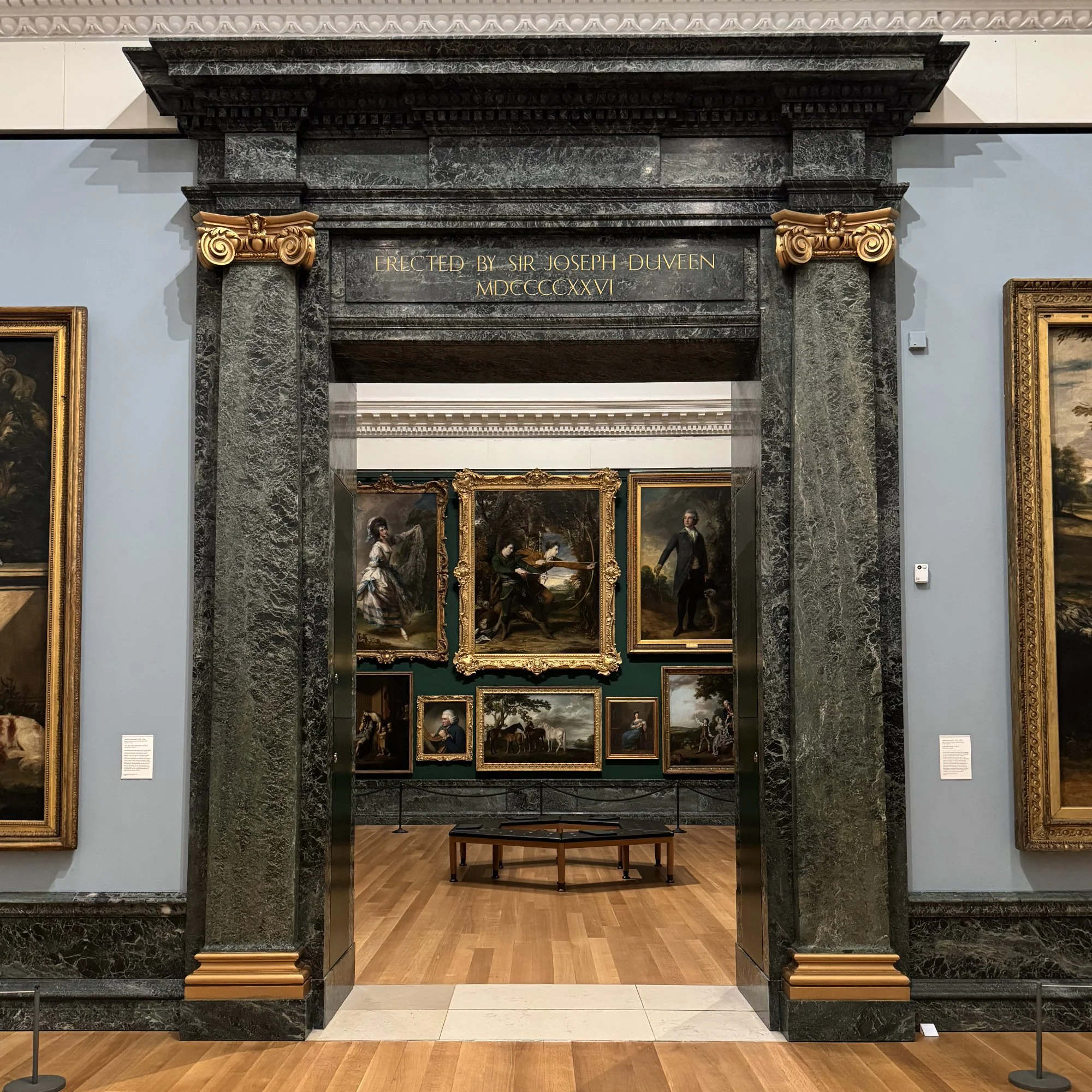
Even if just for the short timespan of those few minutes of catching the morning metro before arriving at your office job, these few minutes may set the mood for what’s to come. If we were to observe these objects as symbols through a Jungian lens, it’s not hard to conclude that these buildings can function as an oppressive force on our human subconscious. I challenge the reader to look inward when seeing and experiencing a classically styled or vernacular building and compare that feeling to, let’s say, a towering skyscraper made entirely of glass panes. Some might argue that beauty is in the eye of the beholder, but the subversive principle suggests something beyond that.
For one, that the average urban dweller has indeed been detached from their primordial self and no longer feels the need to hide it, but rather celebrates it. Long gone are the times when nations would hide their industrial sites in the neglected corners of their cities. Furthermore, those old industrial sites can finally be recycled and repurposed to fit the new needs of the vibrant and self-deemed “cultured” urbanite in the form of clubs and hip offices.
I could go on and provide a vast list of examples of specific buildings I’ve encountered in my life that share similar uncharismatic feats, but I digress. A part of me doesn’t want to shed light on these buildings, not even through reference, and a different part of me says that such an exercise would be futile, for it is not a specific architect or place that is at fault here but, below the surface, lies a relatively young trend that, at one point in the 20th century, explicitly rejected a strong lineage of tradition, and did so with all its might and naivety—like a young child who sneaks out at night to wreak havoc with his dissident friends because his parents forbid him from doing so.
A whole ecosystem arises from subversive architecture—challenging the position of the architect as being the sole artist of its creation. Indeed, it is not only the architect who designs the subversion—think of the hedge funds, the banks, the philanthropists, the money launderers, the politicians, and even the taxpayers. Perhaps not always consciously so, but all of these groups play a role in the process of further draining the populace of their chance to establish a relation with the divine. If we continue this trend, all cities are destined to be sterilized in a similar homogenized fashion, and the gap between each city we appreciate for their distinct traits will become smaller over time. And even if subversive architecture is merely a symptom of the currents of modernity, what better place to start tackling this spiritual burden than by reforming the very buildings our people walk and breathe in?